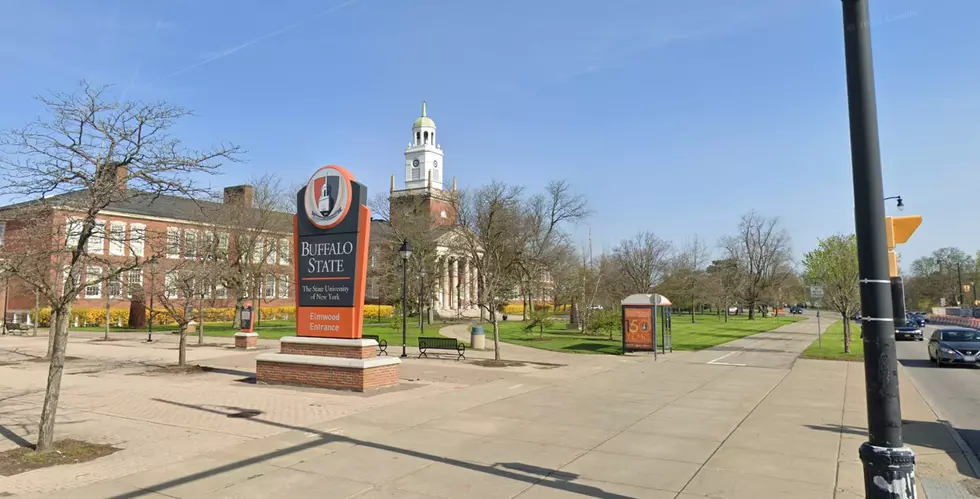

Buffalo’s Place In Black History Is Important To Celebrate
The second month of the American calendar has been used to celebrate, honor, and promote the achievements of Black people in the United States, along with all the contributions that African Americans have made to the nation. While there are some people in our country who feel that the spotlight that happens in February is unnecessary, whether you realize it or not, Black History is American History.
Being a part of this nation's development since the beginning of the nation, from sea to shining sea, just about every party of American society has a connection to African Americans, and those connections are key to why Black History Month exists and why all Americans should celebrate it in Buffalo, New York State, and beyond.
Due to this, February is a key month in the United States that should be approached with reverence.
I began to be bugged by the teaching of American history because it seemed that the history that had been taught without covenants of my presence.
-Dr. Carther G. Woodson, Ph.D.
Dr. Carter G. Woodson, Ph.D., a Harvard-trained historian, understood these facts intimately and, given how many of these contributions were ignored nationwide, he sought to find a way to highlight the contributions African Americans made to the success of America. Woodson helped to create the Association for the Study of Negro Life and History (ASNLH)'s Negro History Week in 1925 with a goal to make sure recognition was given where it was due.
According to records maintained by the Library of Congress, the inaugural Negro History Week happened in February, 1926, 100 years ago.
While some folks may think February was selected because it was the shortest month on the calendar, it was in fact the chosen month because the birthdays of Fredrick Douglass and Abraham Lincoln are in February.
The Untied States celebrated Black History Week for 50 years until President Gerald Ford encouraged Americans to honor Black Americans for the entire month.
Not too long after that, President Ford officially designation Black History Week to become Black History Month in 1976, as part of the United States' bicentennial celebration.
In celebrating Black History Month, we can take satisfaction from this recent progress in the realization of the ideals envisioned by our Founding Fathers. But, even more than this, we can seize the opportunity to honor the too-often neglected accomplishments of black Americans in every area of endeavor throughout our history.
-Gerald R. Ford, 38th President of the United States of America
Buffalo, like many other communities across the country, has a deep and rich connection to black history. That history, which has now been celebrated for 100 years, is a part of the American story and reaches back to beyond the founding of the nation.
There are all sorts of ways to celebrate the contributions of this group of Americans, if you're looking for an idea or suggestion or two of how you can celebrate these contributions, you can find them happening all over the region.
5 Locations That Are Important to Black History in Buffalo
Gallery Credit: Ed Nice
More From 93.7 WBLK